Experiential Product & Marketing Design
Overview
Modular Home is a PropTech in prefab construction applying digital technologies—such as Artificial Intelligence (AI), Building Information Modeling (BIM), and Internet of Things (IoT)—to the manufacturing, logistics, and assembly of prefabricated building components. It digitizes the "file-to-factory" process, transforming traditional construction into an automated, precision-driven industry. While their business model was innovative, their digital presence failed to communicate trust, clarity, or differentiation—critical factors for a high-consideration purchase like housing.
The objective was to redesign the platform as a conversion-focused product, capable of educating users, reinforcing credibility, and supporting long-term growth through data-informed decisions.
The Challenge
Key issues identified:
- Fragmented information architecture and unclear value proposition.
- Drop-offs in lead-generation flows.
- Low trust signals and weak storytelling around efficiency and building personalization.
- Poor SEO performance and limited visibility.
The challenge was not only visual, but structural and strategic: aligning content, UX, and marketing goals into a cohesive product experience.
Process & Approach
Defined the product and acquisition strategy by aligning user needs, business objectives, and technical constraints. This included defining personas, mapping decision journeys from awareness to conversion, and designing the full customer journey along with a service blueprint.
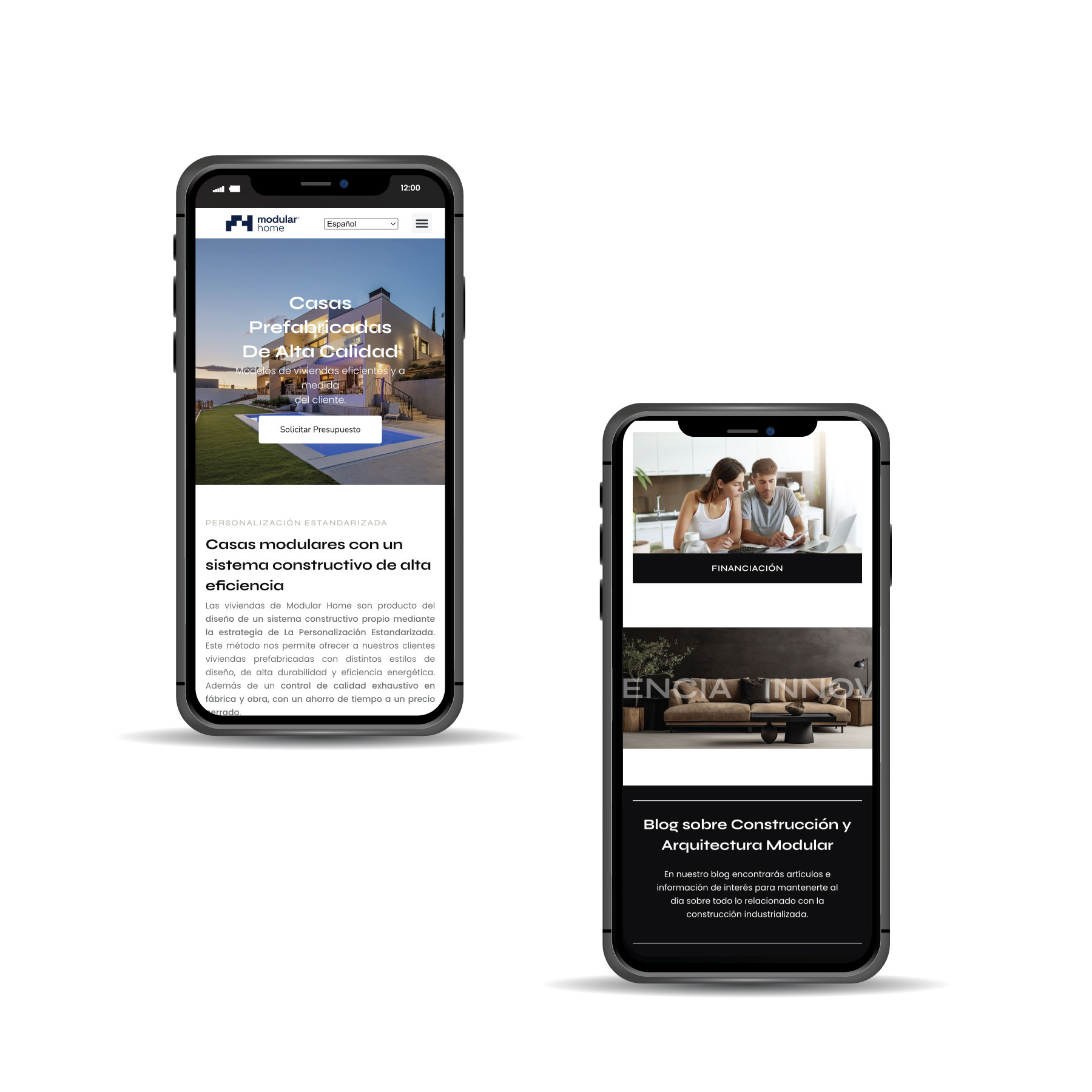
Rebuilt and optimized the information architecture to prioritize clarity, reassurance, and action, while designing storytelling pages that communicate efficiency, process, and value. Key conversion funnels were analyzed and optimized for impact.
To ensure scalability and efficient collaboration with external development teams, a design system was implemented and documented using Storybook, maintaining a controlled token repository. Flexible components in Elementor enabled internal autonomy, while generative AI tools such as Midjourney and Jasper accelerated visual production and supported an SEO-driven content strategy.
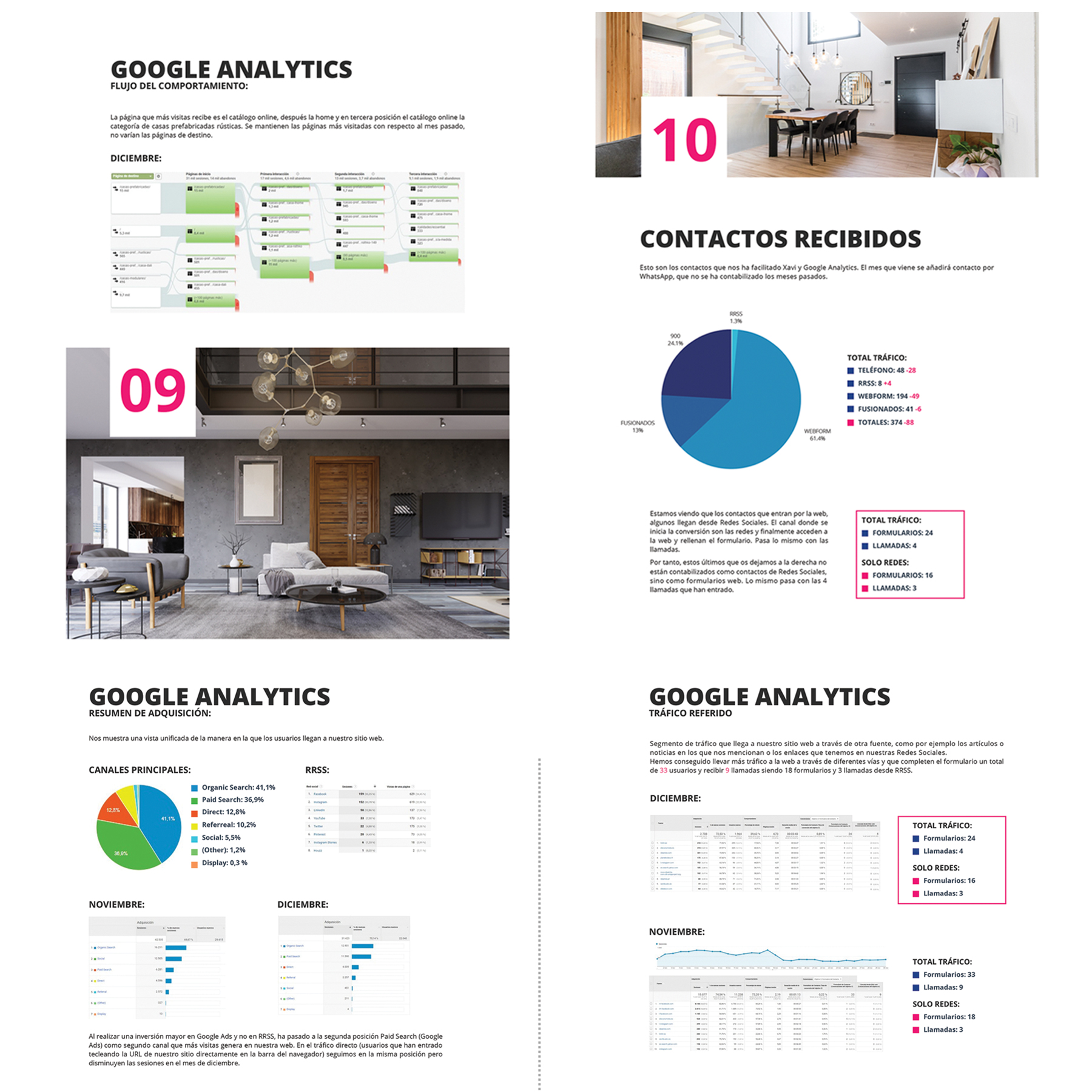
Analytics and tracking were integrated via GA4 and GTM to monitor user behavior, funnel performance, and conversions. All design decisions were evaluated against business KPIs, ensuring effectiveness beyond aesthetics alone.
Outcome & Impact
- +40% increase in qualified leads.
- +50% growth in organic traffic.
- 3% conversion rate on lead forms.
- Scalable and documented design system supporting long-term growth.
This project reflects my ability to connect UX strategy, DesignOps, and performance metrics to deliver measurable business impact.